Insights
How to Deal With an Insurance Adjuster After a Car Accident
Learn what to say, what not to say, and when to call a Nevada car accident lawyer before giving an insurance adjuster a statement.
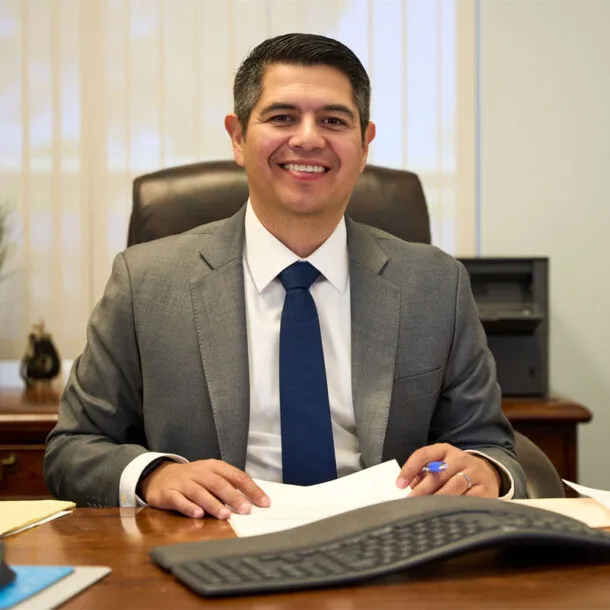
By Lawrence M. Ruiz, Esq. — Founder · Managing Attorney · Published June 7, 2026
How to Deal With an Insurance Adjuster After a Car Accident
Insurance adjusters often call quickly after a crash. The call may sound routine, but it can affect the value of your Nevada injury claim. The safest approach is to stay calm, share only basic information, and avoid giving a recorded statement or accepting a settlement before you understand your injuries and your legal position.
If you were injured in a crash in Las Vegas, Henderson, or elsewhere in Southern Nevada, The Ruiz Law Firm can help you deal with the insurance company while you focus on medical care. If you were hurt in a car wreck in Las Vegas, learn the first steps to take before the adjuster calls.
Why Insurance Adjusters Call So Quickly
An insurance adjuster investigates the claim for the insurance company. That may be your own insurer, the other driver's insurer, or a commercial carrier after a truck or rideshare crash.
The adjuster's job is not the same as your lawyer's job. The adjuster is looking for facts that help the insurance company decide whether to deny, delay, or limit payment. That can include:
- Statements that make you sound partially at fault
- Details that make your injuries sound minor
- Gaps in medical treatment
- Prior injuries the company can use to dispute causation
- An early settlement before the full claim value is known
You do not need to be rude or evasive. You do need to be careful.
What to Say to an Insurance Adjuster
Keep the first conversation short. You can confirm basic information, such as your name, contact information, the date of the crash, the vehicles involved, and where the crash happened.
You can also tell the adjuster that you are getting medical care and that you are not ready to discuss injuries, fault, or settlement yet. If you have hired a lawyer, give the adjuster your attorney's contact information and end the call.
What Not to Say to an Insurance Adjuster
Avoid anything that guesses, minimizes, or accepts blame. After a crash, people often say things out of habit or stress that later get used against them.
Do not say:
- "I am fine."
- "I am sorry."
- "I did not see them."
- "I think I was going too fast."
- "It was probably partly my fault."
- "My injuries are not that bad."
- "I can settle now."
Even if you are trying to be polite, those statements can create problems. Nevada follows a comparative fault system, so fault allocation can directly affect how much compensation you can recover.
Should You Give a Recorded Statement?
You should not give a recorded statement to the other driver's insurance company without speaking with a lawyer first. A recorded statement can lock you into answers before you have medical records, witness statements, crash photos, or a complete understanding of your injuries.
The adjuster may ask questions in a way that sounds harmless:
- "How fast were you going?"
- "When did you first see the other vehicle?"
- "Did you feel pain right away?"
- "Have you ever had back pain before?"
- "Were you distracted?"
Those answers can later be compared against police reports, medical records, and deposition testimony. If there are small differences, the insurer may argue that your story changed.
Why Early Settlement Offers Are Risky
Early offers are often made before the full cost of the crash is known. That is especially dangerous if you have ongoing pain, missed work, physical therapy, surgery risk, or symptoms that could worsen over time.
Once you sign a release, you usually cannot come back later and ask for more money from that same claim. Before settling, you should know:
- The full extent of your injuries
- Whether you need future medical care
- How much work you missed
- Whether your earning ability changed
- Whether medical liens or insurance reimbursement claims must be paid
- Whether the other side is disputing fault
For more on timing, see our guide to the Nevada car accident settlement timeline.
What if the Adjuster Says You Were Partly at Fault?
Do not argue the case by phone. Ask the adjuster to send the position in writing and speak with a lawyer before responding.
Insurance companies may argue comparative fault when they believe it can reduce the claim. They may point to speed, lane changes, distraction, braking distance, weather, or inconsistent statements. A Nevada car accident lawyer can review the crash evidence and push back with police reports, photos, witness statements, repair evidence, and medical documentation.
What Documents Should You Save?
Keep everything related to the claim, even if it seems minor.
Save:
- Claim numbers and adjuster contact information
- Emails, letters, and text messages from insurers
- Photos of vehicle damage and the crash scene
- Medical records, bills, and discharge paperwork
- Receipts for prescriptions, medical devices, and rides
- Proof of missed work or reduced hours
- Police report information
These records help your attorney understand what the insurance company knows, what it is missing, and where the claim may be vulnerable.
How The Ruiz Law Firm Helps With Insurance Adjusters
When The Ruiz Law Firm represents an injured person, we can take over communication with the insurance company. That means the adjuster contacts us instead of pressuring you while you are trying to recover.
Our role is to:
- Protect you from recorded-statement traps
- Gather evidence before the insurer controls the story
- Document your medical treatment and damages
- Respond to comparative-fault arguments
- Negotiate for a settlement that reflects the full claim
- Prepare the case for litigation if the insurer will not be fair
If an adjuster is asking for a statement, pushing a quick offer, or blaming you for a crash, speak with The Ruiz Law Firm before the next call. Contact us for a free consultation.
Frequently Asked Questions
Can I ignore an insurance adjuster after a car accident?
You should not ignore your own insurance company, because your policy may require cooperation. But you can keep the conversation limited and ask to speak later after getting legal advice. If the adjuster works for the other driver, you have even more reason to be cautious.
What if I already gave a statement?
Tell your lawyer exactly what happened and provide any recording, transcript, claim letter, or adjuster contact information you have. A prior statement does not automatically ruin a claim, but your attorney needs to know about it early.
Should I accept the first settlement offer?
Usually no. The first offer may not include future treatment, lost income, pain and suffering, lien resolution, or disputed liability issues. Review the offer with a lawyer before signing anything.
When should I call a lawyer?
Call as soon as you are injured, the adjuster asks for a recorded statement, fault is disputed, treatment is ongoing, or the insurer offers money before your medical picture is clear.
Legal Information, Not Legal Advice
This article is for general information only and is not legal advice. Every case depends on its own facts, deadlines, insurance coverage, and applicable law. Reading this article does not create an attorney-client relationship. Past results do not guarantee future outcomes.